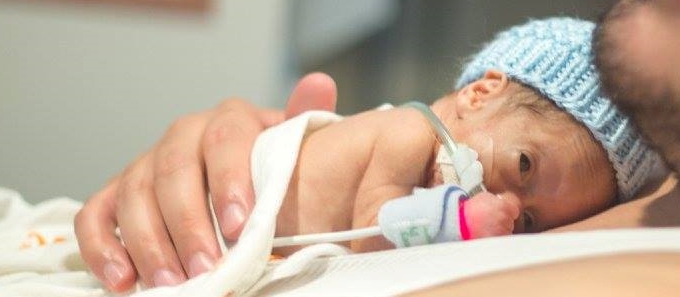
Parents of a baby born in the NICU have a significantly higher risk of developing mental health conditions because of the trauma involved with their child’s birth. Feelings of shame, anger, fear, anxiety, frustration, sadness, depression, unhappiness and guilt are a natural result of pregnancies that do not progress as planned. If left unresolved for long periods of time, these feelings can lead to mental health conditions such as post traumatic stress disorder, anxiety, or depression. It is critically important for NICU parents to educate themselves on the signs and symptoms of mental health conditions so they can monitor themselves and their partners and be able to seek help if needed.
*A Special Note About Dads*
We often associate perinatal mood and anxiety disorders with mothers only, but the reality is that 1 in 10 dads are affected by paternal postpartum depression. The Dad’s Corner on Postpartum Health Alliance’s website has an article detailing the common concerns for new dads, a description of what is paternal postpartum depression, and tips to keep new dads involved and healthy. For more information, click here.
Information on Mood Disorders
Screening Tools
Mental Health America has several online screening tools available at the following link to help you determine if you are experiencing symptoms of a mental health condition. If you determine that you are experiencing symptoms, seek guidance from your doctor right away. To take an online screener, click here.
Educational Resources
Mental health disorders, but not just limited to depression or anxiety, can occur during pregnancy and/or the postpartum period (together often referred to as the perinatal period). The Blue Dot Project’s website is a good place to begin for anyone interested in a brief overview of perinatal mental health disorders. For more information, click here.
Postpartum Support International’s (PSI’s) website provides a more detailed overview of the symptoms and different types of perinatal mood or anxiety disorders. These symptoms can appear either during pregnancy or even up to the first 12 months after childbirth. Their website explains that all parents, including those from different cultures, ages, incomes, and race, are susceptible to the development of prenatal mood and anxiety disorders. For more information, click here.
If you are seeking a more generalized question and answer format regarding perinatal depression and anxiety, visit the National Child & Maternal Health Education Program’s website. Their easy-to-read Q&A describes the differences between depression and anxiety and how it can affect both your pregnancy and mental health after the birth of your child. For more information, click here.
The International Marcé Society for Perinatal Mental Health is an organization dedicated to supporting research and assistance for perinatal mental health for the mothers, fathers, and their babies. The Society conducts a broad range of research activities, involving a multidisciplinary community of medical professionals. This organization created the Father’s Special Interest Group which advocates for the inclusion of fathers when studying and treating perinatal mental illness. For more information, click here.
NICU Parent Network offers multiple webinars targeted for the NICU community, whether you are a parent, physician or mental health professional. Some current webinar titles include: Peer-to-Peer Support for NICU Parents, Mental Health Professionals in the NICU, NICU Staff Education and Support, NICU Discharge Planning and Beyond. For more information, click here.
 NICU Parent Health